
Astronomy vs Terrestrial Viewing: How to Choose Binocular, Monocular & Spotting Scope Specs
By Alberta leach - 14/09/2026 - 0 comments
Picking binoculars or a monocular sounds simple until you read the numbers: 8×42, 10×50, 12×56, 16×50, 10–30×50 zoom, 25–75×80 spotting scope. Most new buyers make the same mistake—they assume one “high power” optic works for everything. It doesn’t.
Sky viewing and land viewing reward completely different specs. A birding binocular that feels perfect on a trail can look dim on the moon. A big astronomy binocular that gathers tons of starlight can be too heavy and too narrow for tracking birds. This guide breaks down what actually matters, with practical picks for North American hiking, birding, travel, marine, and backyard stargazing.
Start With the Use Case, Not the Magnification
Everything else follows from this.
Terrestrial viewing covers birding, hiking, travel, marine, sports, and general wildlife. Priorities are steady handheld image, wide field of view, fast target acquisition, close focus, and all-weather durability.
Astronomy viewing covers moon, bright planets, star fields, and basic deep-sky. Priorities are aperture/light grasp, low-light coating, stable support, and comfortable eye relief for long sessions.
A good rule of thumb for North American buyers: if you mostly watch birds and landscapes, shop terrestrial first. If you mostly stargaze, shop astronomy-first optics and plan on a tripod. If you want one do-everything pair, 8×42 or 10×42 is the safest compromise, not the absolute best for either job.
Aperture: The Real Low-Light Engine
Aperture is the objective diameter in mm—the second number in 8×42, 10×50, etc. Bigger aperture gathers more light, which matters most at dawn, dusk, dense forest, and night.
For terrestrial use:
-
Compact travel/hiking: 25–32mm. Light, but dimmer in low light.
-
All-around birding/wildlife: 32–42mm. 8×42 and 10×42 are the North American sweet spots—bright enough, still handheld.
-
Long glassing, open country, low light: 42–50mm. More brightness, more weight.
-
Marine/large-objective handheld: 7×50 class gives a big exit pupil and stable image, great on boats and low light.
For astronomy:
-
Casual moon and star sweeping: 42–50mm handheld is fine, ideally 10×42, 10×50, or 8×42 if you value stability.
-
Serious binocular astronomy: 50mm and up—10×50, 15×70, 20×80 if tripod-supported. Larger aperture pulls in more stars and nebula detail, but weight and mount requirements go up fast.
-
Spotting scopes for casual sky: 80mm class such as 25–75×80 can show moon craters and bright planets from a tripod, but it is not a replacement for a dedicated astronomy telescope on faint deep-sky objects.
On TelescopeHubs, think of it this way: 8×42/10×42/10×50 ED roof prisms for birding and travel; 12×50 or 16×50 for more reach in daylight; 10×50 marine/compass models for low-light water use; 25–75×80 spotting scope for tripod-based wildlife and casual astronomy; large astronomy monoculars for dedicated night use only.
Magnification: Stop Chasing the Biggest Number
Magnification is the first number. Higher is not better by itself.
Handheld terrestrial recommendations:
-
Birding/forest/hiking: 8×. Widest stable view, easiest to find moving birds.
-
General wildlife/travel/open country: 10×. More reach, still manageable for most adults.
-
Extended glassing with support: 12×. Good for stationary wildlife, but handheld shake becomes noticeable.
-
Very long range: 16×50 or similar. Use with a rest, monopod, or tripod; not a walk-around birding spec.
Handheld astronomy recommendations:
-
Wide star-field scanning: 7× or 8×. Very stable, big true field, great for learning constellations.
-
Moon and bright planets: 10×. 10×50 is a classic dual-use starting point.
-
Lunar detail, Jupiter moons, tighter clusters: 15× on a tripod. Handheld 15× is tiring and shaky for most people.
-
20× and above: always tripod or parallelogram mount for binoculars; image jitter and atmospheric shake grow quickly.
Zoom models need realistic expectations. A 10–30×50 binocular sounds versatile, but at 30× it will be narrower, dimmer, and much harder to hold steady than at 10×. Keep zoom optics on a tripod for the upper range, and use the low end for scanning. Same for 10–30×50 monoculars : great for travel and wildlife when you mostly use 10–15×, less practical at max zoom without support.
Field of View: Terrestrial Dealbreaker, Astronomy Secondary
Field of view is how much width you see at distance, often listed at 1,000 yards. Terrestrial viewers should check this first; astronomers can accept narrower views for higher power.
Birding and moving wildlife:
-
Prefer wide angle. 8×42 often gives roughly 420–460 ft at 1,000 yds; 10×42 is typically around 330–380 ft. That 8× vs 10× difference matters when birds move through trees.
-
Close-focus also matters on the ground. Quality birding optics may focus under 2 m/6–7 ft; general models may need 8–12 ft. If you watch feeders, butterflies, or near birds, shortest usable close focus is a real buying point.
Hiking, travel, sports:
-
8×25/10×25 for pocket carry, accepting lower low-light brightness.
-
8×32/10×32 for lighter all-day use.
-
8×42/10×42 for the best balance of width, brightness, and comfort.
Astronomy:
-
Wide Milky Way sweeps do better at low power and wide apparent field—7×, 8×, or 10× with a generous true field.
-
Moon/planet detail accepts narrower field because the target is small and centered.
-
Don’t buy extremely narrow high-power “universal” binoculars for finding objects; star-hopping is frustrating without enough field.
Coatings, Prism Glass, and Image Quality
For any North American outdoor use, look for clear optical language on the product page:
-
Fully multi-coated / FMC on all air-to-glass surfaces—best light transmission and contrast day or night.
-
BAK4 prism for round exit pupil and better edge brightness; roof prisms are compact and rugged, porro prisms often give wider perceived field for astronomy value builds.
-
ED/HD glass reduces color fringing on high-contrast edges—worth it for birding identifications and bright lunar/planetary work.
-
Phase coating on roof prisms improves resolution and brightness; expect it on higher-end terrestrial bins.
For terrestrial daylight, FMC+BAK4 is already excellent. For astronomy, FMC matters even more because every bit of starlight counts; pair it with large aperture and stable mounting.
Eye Relief and Glasses Comfort
Eye relief is the distance from eyepiece to your eye for full-field view. If you wear glasses, don’t skip it.
-
Non-glasses general use: 12mm+ is comfortable.
-
Glasses wearers: 15mm+ is the safe minimum; 17–20mm is better for long birding or stargazing sessions.
-
Twist-up eyecups help share one optic between glasses and no-glasses users.
-
Monoculars for trail use should still list eyecup travel and eye relief; high-power monoculars at 12× and above are more comfortable with a supported arm or small tripod.
Weatherproofing: Non-Negotiable for North America
North American conditions swing from coastal humidity to desert dew to mountain cold. For outdoor optics, prioritize:
-
Waterproof: O-ring sealed, IPX-rated where stated.
-
Fog-proof: nitrogen- or argon-purged interior.
-
Rubber armor for drop grip.
-
Marine use: floating strap optional, compass/rangefinder helpful, 7×50 IPX7-class builds are practical for boats.
Spotting scopes and big astronomy binoculars especially benefit from nitrogen purge and sealed housings because long sessions in cooling night air cause external dew and internal fog on cheap unsealed units.
Spotting Scopes: A Different Category
If your main goal is distant stationary wildlife, target checking, or casual astronomy from a vehicle/camp, a spotting scope beats超high-power handheld binoculars.
Practical scope rules:
-
25–75×80 class: excellent for birding detail, wildlife across open fields, and moon/lunar viewing on a tripod. Start at 25–40× to find the target, increase for detail.
-
80mm objective improves low-light over 60mm, but high zoom still needs steady support and good atmosphere.
-
Always buy/use a solid tripod. Kit tripods are fine for learning; upgrade the tripod before buying more magnification.
-
Angled eyepiece is more comfortable for long glassing and digiscoping; straight is faster for some beginners and ground-level use.
-
Weather sealing, sunshade, and phone adapter are useful field features.
A 25–75×80 is not a hiker’s primary optic—it is a basecamp, blind, range, or backyard tool. For trail birding, an 8×42 or 10×42 binocular is faster and lighter.
Quick Scenario Picks for TelescopeHubs Shoppers
Backyard birding and everyday hiking
8×42 ED/HD, FMC, BAK4, waterproof/fog-proof, close focus under 2–3 m, 15mm+ eye relief if you wear glasses. Most stable all-rounder. 10×42 if you want more reach and can hold it steady.
Travel, compact camping, day hikes
8×25 or 10×25 for pocket carry; 8×32 or 10×32 if you want better low-light without full-size weight. Accept narrower brightness at dusk compared with 42mm.
Open-country wildlife, long-distance glassing
10×42 or 10×50 for handheld; 12×50 for more detail from a fixed position; 16×50 only with support. For stationary long looks, move to a 25–75×80 spotting scope.
Marine, boating, low-light safety
7×50 compass/rangefinder models for stable image and big exit pupil; IPX7 waterproofing; strap or float coil. 10×50 works but is less steady on moving water.
Casual stargazing with one outdoor binocular
10×42 or 10×50 FMC/BAK4. 10×42 is lighter and more versatile by day; 10×50 gathers more starlight. Both are handheld-friendly for short sessions, better on a tripod for long sessions. 8×42 is great if stability and wide star fields matter more than magnification.
Serious binocular astronomy
15×70 or larger on a tripod; 20×80 for big aperture if you can mount it. Use red light, allow dark adaptation, and don’t expect telescope-level planetary detail.
Dedicated telescope/monocular astronomy
Large-aperture astronomy monoculars or reflector/refractor telescopes for planets, nebulae, and galaxies. Handheld zoom monoculars and “350×” marketing units are not a substitute for a proper mount, aperture, and focal length; treat extreme max-magnification claims with skepticism.
Common Mistakes to Avoid
-
Buying “20×/30×/50×” handheld and expecting sharp views. Above 10× binoculars and above 12× monoculars usually need support; above 15× astronomy binoculars almost always need a tripod.
-
Matching small aperture with huge magnification. 10–30×50 at 30× is dim and shaky; 25–75×80 at 75× needs a good tripod and calm air.
-
Ignoring field of view for birding. Narrow optics make you lose the bird.
-
Skipping waterproof/fog-proof for North America. Dew, rain, and temperature swings will fog cheap optics.
-
Using any optic to look at the sun. Never view the sun through binoculars, monoculars, or scopes without proper solar filters—eye injury can be permanent.
-
Expecting one zoom to replace a binocular, a spotting scope, and a telescope. Zooms are convenient, not superior in every range.
FAQ
Can terrestrial binoculars be used for stargazing?
Yes for moon, bright planets, and star fields. 10×42/10×50 are great starters. Faint nebulae and galaxy detail need larger aperture—50mm+ binoculars on a tripod or a dedicated astronomy telescope.
Is 10×42 the best universal spec?
It is the best one-pair-for-most-people compromise: bright enough, stable enough, portable enough for birding, travel, and casual astronomy. If you bird in forests, 8×42 is often better. If you stargaze seriously, 15×70 on a tripod is better.
Do monoculars work for astronomy?
Small 10×42/12×56 monoculars are fine for moon and quick scans. Deep-sky needs large aperture and stable mounting; a handheld pocket monocular will feel dim.
When do I need a spotting scope instead of binoculars?
When targets are distant and stationary—shorebirds, elk across valleys, target impacts, lunar craters from a deck. Use 25–75×80 on a tripod. Binoculars stay better for moving birds .
Are zoom binoculars worth it?
For travel and flexible wildlife use, yes if you mostly use low/mid zoom. For astronomy, fixed-magnification bright optics usually beat max-zoom marketing. Use a tripod at the top of the zoom range.
Browse full binocular, monocular, and spotting scope specs at TelescopeHubs, and match the use case first—aperture and stability will do more for you than the biggest magnification number on the box.
Tags: Astronomy Binoculars, Birding Binoculars, Hiking Optics, Spotting Scope Buying Guide, Monocular Specs, Aperture & Magnification, Field of View, Eye Relief, FMC Coating, Waterproof Fog Proof
Best Sellers
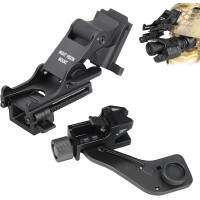
Optics J‑Arm Mount Set, Helmet Adapter for Low‑Light Outdoor Viewing
Premium NVG Helmet Mount Kit – J‑Arm + Rhino‑Style Adapter Engineered for low‑light obs..
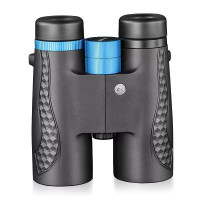
Asika Delta 10x42 Binoculars – Compact & Powerful for Sports, Travel & All Ages
Asika Delta 10x42 – Versatile & Powerful Compact Binoculars for Adults & Kids M..
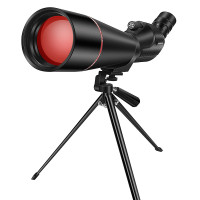
Borwolf 25-75X80 ED Spotting Scope for Birding & Wildlife Observation
BORWOLF 25-75X80 ED Spotting Scope Kit – HD Waterproof Telescope Technical Specifications: ..
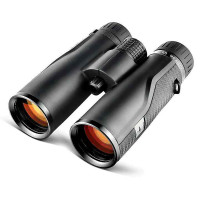
Shuntu PI ED Binoculars 8x42 10x42 10x50 12x50 – Roof Prism for Birding & Wildlife
Shuntu PI ED 8x42/10x42/10x50/12x50 BAK4 Binoculars – Professional HD Outdoor Optics for All Scenari..
Comments
Write a comment