
Difference Between Monocular and Binoculars
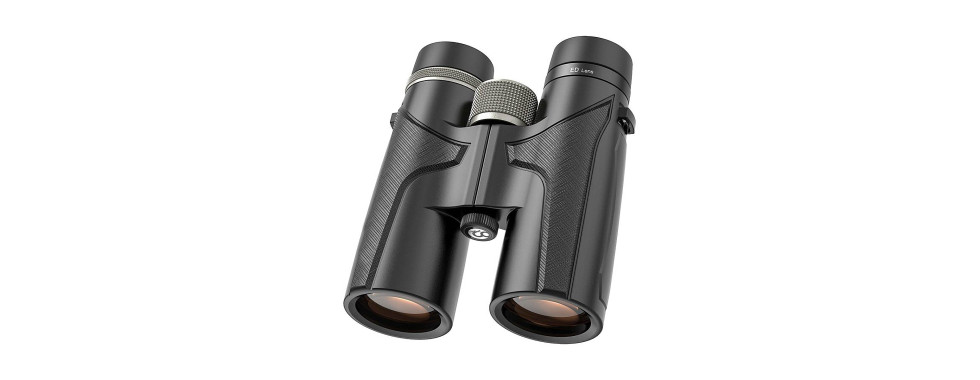
By Telescopehubs Optics - 31/10/2026 - 0 comments
(A practical Q&A for outdoor lovers, travelers, and everyday adventurers)
If you’ve ever stood in the optics aisle or browsed online, you’ve probably asked yourself: Should I get a monocular or a pair of binoculars? Both help you see farther, but they offer very different experiences. To help you decide, we’ve put together this quick Q&A tailored for life here in North America—whether you’re hitting the trails, heading to a game, or exploring a new city.
Q: What’s the basic difference between a monocular and binoculars?
A: A monocular is a single-tube device you look through with one eye. Think of it as half a pair of binoculars or a pocket-sized telescope. Binoculars use two tubes (one for each eye) to create a wider, more three-dimensional view. This simple difference changes everything—from how you carry them to how comfortable they feel during long use.
Q: I love traveling light. Which one is more portable?
A: The monocular wins hands down. Most quality monoculars weigh less than a deck of cards and can slip into your jeans pocket, a small crossbody bag, or even your car’s glove compartment. Binoculars are bulkier; even compact models usually need a neck strap or a small carrying case. If you’re exploring a city, hiking a long trail, or just want something “just in case,” a monocular is the ultimate grab-and-go optic.
Q: How do they compare for watching a baseball game or a concert?
A: For events like an MLB game, a music festival, or a Broadway show, binoculars usually offer a more comfortable experience. Because both eyes work together, you can watch for hours without the eye strain that sometimes comes with using just one eye. However, a monocular is much more discreet and won’t block the view of the person behind you, making it a solid choice for theater settings where large optics might be frowned upon.
Q: Is one better than the other for bird watching or wildlife viewing?
A: For serious birders or wildlife enthusiasts in places like Yellowstone or the Everglades, binoculars are the gold standard. They provide better depth perception and a wider field of view, which is crucial for tracking a flitting hummingbird or spotting a bear in the distance. That said, a monocular is a fantastic backup tool or a great starter optic for kids and casual backyard birders.
Q: What about image quality, zoom, and shakiness?
A: High-quality binoculars generally gather more light, giving you a brighter, clearer image—especially in low light, like at dusk. Monoculars can be very sharp, but because you’re holding a single tube, any hand tremor is magnified. For a steady, immersive view, binoculars have the edge. Some higher-end monoculars now include image stabilization, but that adds to the cost.
Q: Which is easier for kids to use?
A: Kids often find monoculars easier because they’re lighter and mimic how they naturally look through a toy telescope. Binoculars require them to line up both eyes perfectly, which can be tricky for younger children. A monocular lets them focus (literally!) with one eye while keeping the other open to stay aware of their surroundings.
Q: So, which one should I actually buy?
A: Ask yourself these quick questions:
-
Choose a Monocular if: You want something ultra-light, pocket-sized, and budget-friendly for travel, hiking, or quick everyday use.
-
Choose Binoculars if: You plan to use them for extended periods (sports, bird watching, stargazing) and value comfort, depth perception, and a wider field of view.
Many North American outdoor families actually keep a monocular in the car and a pair of binoculars at home—that way, you’re always ready for whatever adventure comes your way!
We hope this Q&A helps you pick the perfect optic for your next adventure! Do you prefer a monocular or binoculars? Share your thoughts in the comments below.
Tags: Monocular, Binoculars, Optics, Gear Guide, Travel, Bird Watching, Outdoor Activities, North America, Q&A, Product Comparison
Best Sellers
Optics J‑Arm Mount Set, Helmet Adapter for Low‑Light Outdoor Viewing
Premium NVG Helmet Mount Kit – J‑Arm + Rhino‑Style Adapter Engineered for low‑light obs..
Asika Delta 10x42 Binoculars – Compact & Powerful for Sports, Travel & All Ages
Asika Delta 10x42 – Versatile & Powerful Compact Binoculars for Adults & Kids M..
Borwolf 25-75X80 ED Spotting Scope for Birding & Wildlife Observation
BORWOLF 25-75X80 ED Spotting Scope Kit – HD Waterproof Telescope Technical Specifications: ..
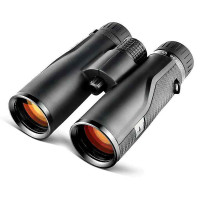
Shuntu PI ED Binoculars 8x42 10x42 10x50 12x50 – Roof Prism for Birding & Wildlife
Shuntu PI ED 8x42/10x42/10x50/12x50 BAK4 Binoculars – Professional HD Outdoor Optics for All Scenari..
Comments
Write a comment