
General Optics Info
General information, guides, and tips for binoculars, monoculars, and outdoor viewing.
Refine Search
Wildlife Spotting Binoculars & Monoculars: How to Read 10×42, 10×50, 20×50 and Zoom Models
- By Telescopehubs Optics
- 14/11/2026
- 0 comments
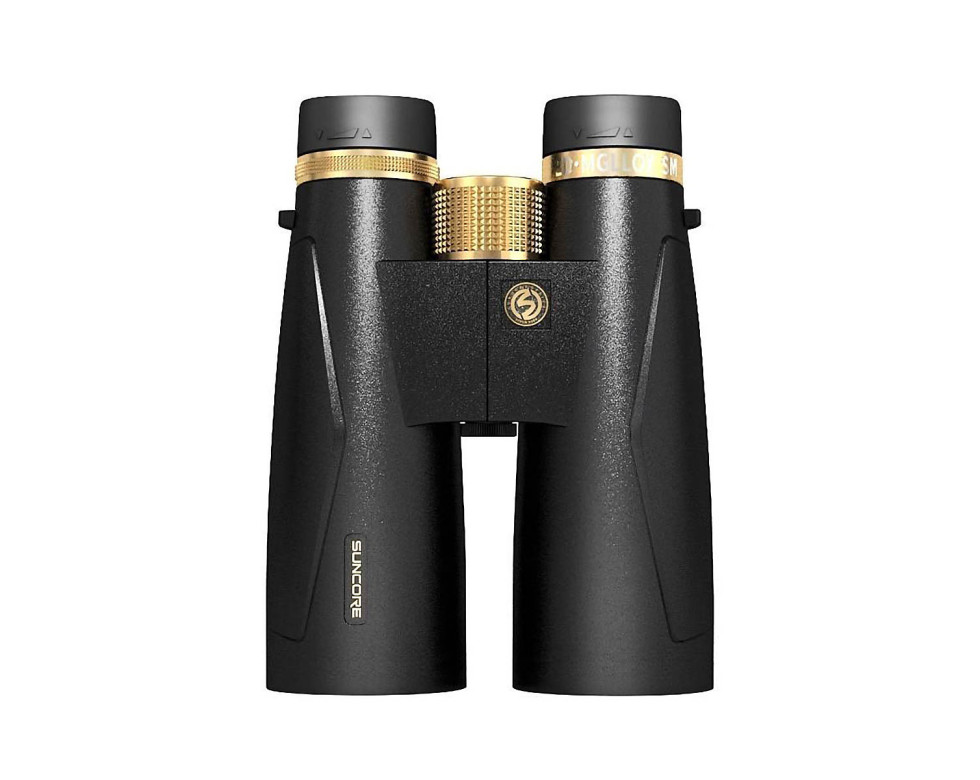
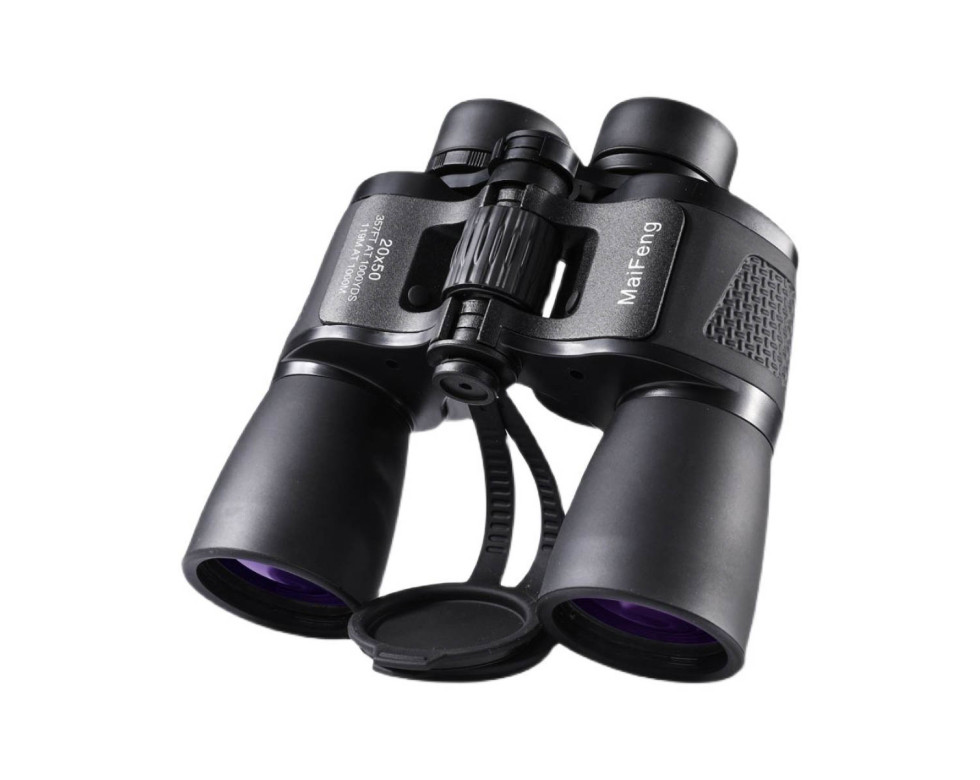
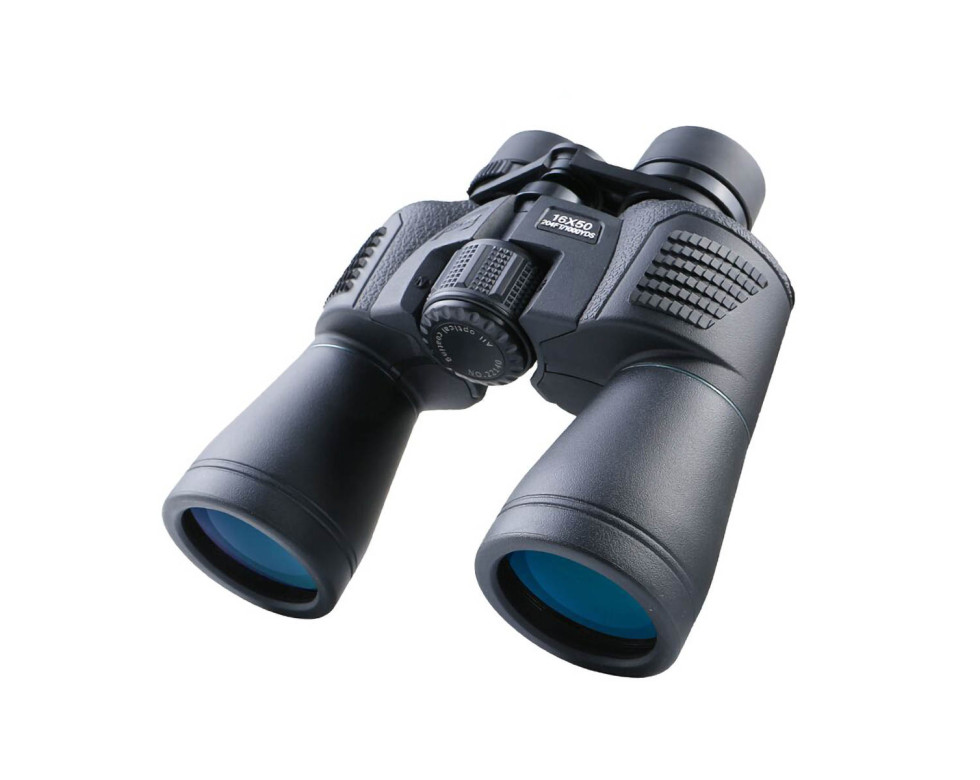
If you have ever stood on a boardwalk at dawn and raised a pair of binoculars only to find the heron already gone, you already know the truth: the “strongest” number on the barrel is not always the most useful one in the field. This guide is built around the specs people actually ask about — 10×50, 12×50, 15×50, 16×50, 20×50, 10-30×50, 10×42, 12×42, 10-20×50 — and answers it the way you would hear it from someone who has mud on their boots: by habitat, by hand-shake, and by how long you are willing to carry the weight. Q1. What do the two numbers actually mean? A spec like 10×50 reads as: 10 = magnification. A bird at 100 ft looks roughly like one at 10 ft. 50 = objective lens diameter in millimeters. Bigger glass gathers more light. So 10×42and 10×50 share the same pull-in power, but the 50 mm version breathes better in low light because it collec..
Low-Vision Optics: Choosing a Monocular/Binoculars for Signs and Events
- By Telescopehubs Optics
- 05/11/2026
- 0 comments
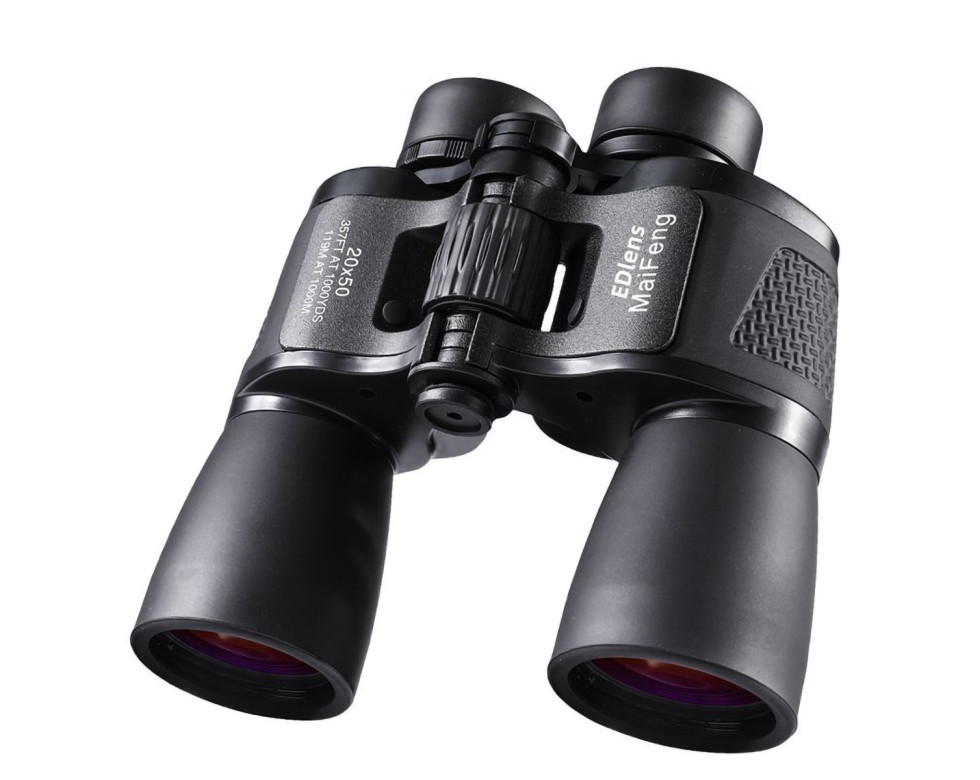
Q: What does a low-vision monocular actually do? A: It magnifies distant detail so your usable vision can read it. Think of it as a one-eyed distance magnifier. You are not scanning the horizon for fun—you are solving a task: reading a street sign, checking a transit display, seeing a scoreboard, or watching a stage at a school concert. The goal is to buy the one you will actually carry, aim, and focus before the moment passes. Q: Why does the field of view matter so much? A: Because a sign is rarely floating in empty space. At 20×, you might see the letters clearly but lose the arrow or the gate number next to it. At 10×–15×, you keep more context—like knowing which way to turn after reading the sign. For events, context is half the experience; you want to see the performer and know what is happening around you. Q: I also need to read closer things—menus, price tags, room si..
Difference Between Monocular and Binoculars
- By Telescopehubs Optics
- 31/10/2026
- 0 comments
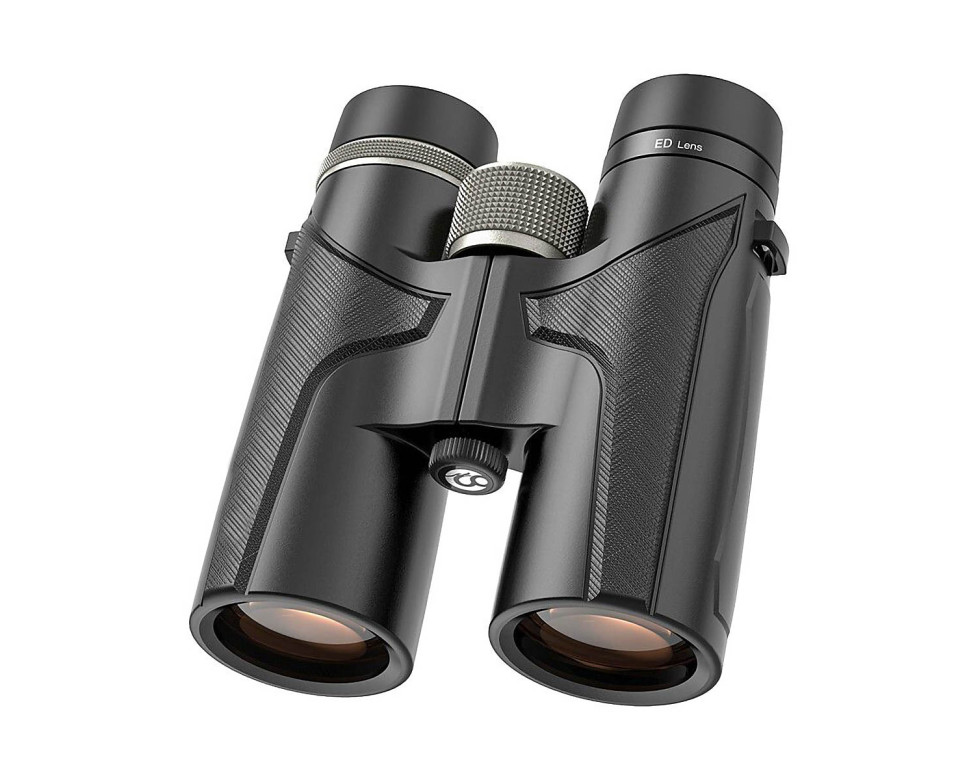
(A practical Q&A for outdoor lovers, travelers, and everyday adventurers) If you’ve ever stood in the optics aisle or browsed online, you’ve probably asked yourself: Should I get a monocular or a pair of binoculars? Both help you see farther, but they offer very different experiences. To help you decide, we’ve put together this quick Q&A tailored for life here in North America—whether you’re hitting the trails, heading to a game, or exploring a new city. Q: What’s the basic difference between a monocular and binoculars? A: A monocular is a single-tube device you look through with one eye. Think of it as half a pair of binoculars or a pocket-sized telescope. Binoculars use two tubes (one for each eye) to create a wider, more three-dimensional view. This simple difference changes everything—from how you carry them to how comfortable they feel during long use. Q: I ..
Telescope Care & Maintenance Guide
- By Telescopehubs Optics
- 29/09/2026
- 0 comments
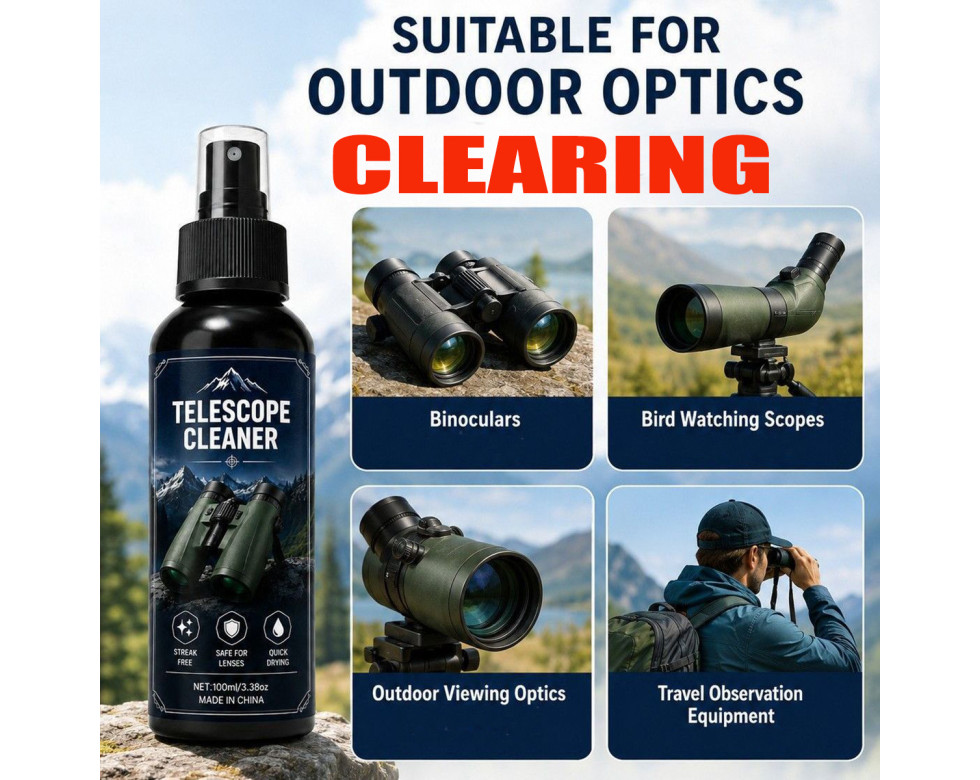
Telescope Care & Maintenance Guide Storage Always store your telescope (Binoculars/Monocular) in a clean, dry, and well-ventilated area to prevent mold growth. For added protection, place silica gel packs nearby and replace them regularly. Lens Cleaning To remove smudges or dirt from lenses, gently wipe with a microfiber cloth. For deeper cleaning, lightly dampen a lint-free cotton pad with isopropyl alcohol. Wipe from the center outward in a spiral motion, using fresh pads until the lens is clean. Avoid excessive pressure or circular scrubbing. Handling Telescopes are precision instruments. Avoid dropping, crushing, or subjecting them to sudden impacts. Handle with care to maintain alignment and optical performance. No DIY Repairs Do not attempt to disassemble the telescope or clean internal components. Unauthorized tampering may void warrant..
Binoculars Buying Guide: Expert Tips for Choosing the Right Optics
- By Telescopehubs Optics
- 02/09/2026
- 0 comments
Choosing the right binoculars can feel overwhelming with so many specifications and options available. Whether you're into wildlife spotting, outdoor terrain observation, or recreational viewing, understanding the optics is key. Here are 8 essential tips to help you make an informed decision and get the best value for your needs. 1. Optical Quality vs. Portability There's often a trade-off between excellent optical performance and a compact, lightweight design. If you want both in one package, be prepared to increase your budget significantly. 2. No "One-Size-Fits-All" Model Every specification and type of binocular has its ideal environment to achieve perfect results. There is no single pair that excels in every scenario, so choose based on your primary activity. 3. Roof Prism vs. Porro Prism Roof prism binoculars are the most compact in their class, making them easy t..
The Evolution of Telescopes: A Journey Through Optical Innovation
- By Telescopehubs Optics
- 02/09/2026
- 0 comments
For centuries, the telescope has expanded our ability to explore the cosmos. From its humble beginnings as a simple lens combination to today's massive ground-based observatories, the evolution of optical observation tools has revolutionized stargazing, astronomy, and even terrestrial viewing. Let's take a journey through telescope history and discover how these recreational optics transformed our view of the universe. 1608: The First Practical Telescope In 1608, Dutch eyeglass maker Hans Lippershey crafted the first recorded telescope. The story goes that two children were playing with lenses in his shop, holding them up to view a distant weather vane on a church. They were amazed at how large it appeared. Lippershey took the two lenses, mounted them in a tube, and after several experiments, invented the telescope. He applied for a patent that year and, at the request of authoriti..
Best Sellers
Optics J‑Arm Mount Set, Helmet Adapter for Low‑Light Outdoor Viewing
Premium NVG Helmet Mount Kit – J‑Arm + Rhino‑Style Adapter Engineered for low‑light obs..
Asika Delta 10x42 Binoculars – Compact & Powerful for Sports, Travel & All Ages
Asika Delta 10x42 – Versatile & Powerful Compact Binoculars for Adults & Kids M..
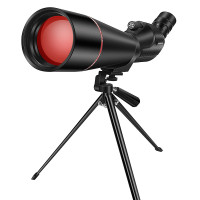
Borwolf 25-75X80 ED Spotting Scope for Birding & Wildlife Observation
BORWOLF 25-75X80 ED Spotting Scope Kit – HD Waterproof Telescope Technical Specifications: ..
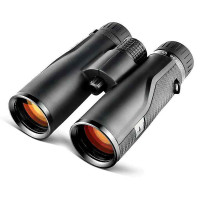
Shuntu PI ED Binoculars 8x42 10x42 10x50 12x50 – Roof Prism for Birding & Wildlife
Shuntu PI ED 8x42/10x42/10x50/12x50 BAK4 Binoculars – Professional HD Outdoor Optics for All Scenari..