
General Optics Info
General information, guides, and tips for binoculars, monoculars, and outdoor viewing.
Refine Search
Telescope Care & Maintenance Guide
- By Telescopehubs Optics
- 29/09/2026
- 0 comments
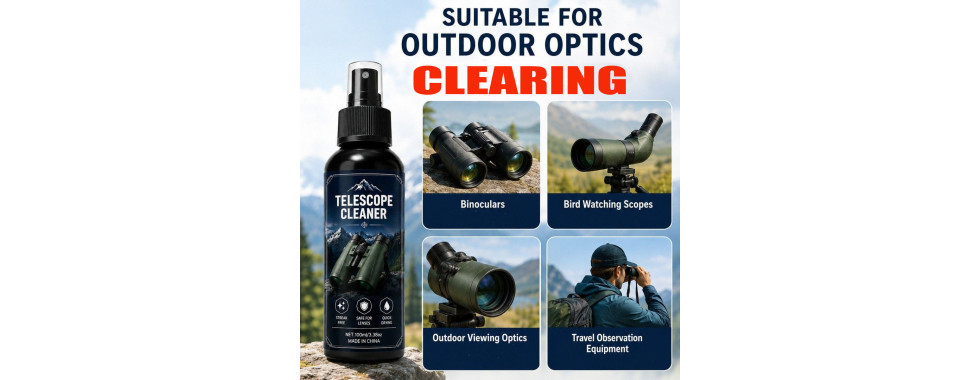
Telescope Care & Maintenance Guide Storage Always store your telescope (Binoculars/Monocular) in a clean, dry, and well-ventilated area to prevent mold growth. For added protection, place silica gel packs nearby and replace them regularly. Lens Cleaning To remove smudges or dirt from lenses, gently wipe with a microfiber cloth. For deeper cleaning, lightly dampen a lint-free cotton pad with isopropyl alcohol. Wipe from the center outward in a spiral motion, using fresh pads until the lens is clean. Avoid excessive pressure or circular scrubbing. Handling Telescopes are precision instruments. Avoid dropping, crushing, or subjecting them to sudden impacts. Handle with care to maintain alignment and optical performance. No DIY Repairs Do not attempt to disassemble the telescope or clean internal components. Unauthorized tampering may void warrant..
Find Your Perfect Optic: TelescopeHubs Product-to-Scenario Matchmaker
- By Jim McFarland
- 14/09/2026
- 0 comments
Still wondering which optic actually fits your lifestyle? Whether you’re scanning tree lines for warblers, glassing open plains, or setting up a backyard stargazing session, we’ve mapped our top TelescopeHubs models directly to your real-world needs. No more guessing. No more “universal” compromises. Here’s exactly what to buy and why. For the Birder & Forest Hiker: Shuntu PI ED Series Best for: Bird watching, wildlife ID, dense forest trails, and all-day comfort. When every feather counts, optical clarity and close focus beat raw magnification. The Shuntu PI ED series uses Extra-low Dispersion (ED) glass to eliminate color fringing, giving you true-to-life plumage details even in challenging backlight. Key Specs: 8×42 / 10×42 | ED HD Glass | FMC Coating | BAK4 Prism | Waterproof/Fog-proof Why It Fits: Wide field of view (FOV) helps you lock onto fli..
Astronomy vs Terrestrial Viewing: How to Choose Binocular, Monocular & Spotting Scope Specs
- By Alberta leach
- 14/09/2026
- 0 comments
Picking binoculars or a monocular sounds simple until you read the numbers: 8×42, 10×50, 12×56, 16×50, 10–30×50 zoom, 25–75×80 spotting scope. Most new buyers make the same mistake—they assume one “high power” optic works for everything. It doesn’t. Sky viewing and land viewing reward completely different specs. A birding binocular that feels perfect on a trail can look dim on the moon. A big astronomy binocular that gathers tons of starlight can be too heavy and too narrow for tracking birds. This guide breaks down what actually matters, with practical picks for North American hiking, birding, travel, marine, and backyard stargazing. Start With the Use Case, Not the Magnification Everything else follows from this. Terrestrial viewing covers birding, hiking, travel, marine, sports, and general wildlife. Priorities are steady handheld image, wide field of view, fast target ac..
The Ultimate Telescope Buying Guide 2026: A Complete Analysis of Aperture, Focal Length, and Equatorial Mounts
- By Mindy Hamblin
- 07/09/2026
- 0 comments
In 2026, while astronomical observation technology has matured, beginners still often fall into the traps of "aperture obsession" or "blindly chasing high magnification." Choosing a telescope isn't just about comparing specs; it's about balancing optical performance, mechanical stability, and portability. This guide provides professional advice on core optical parameters, mount systems, and practical applications. I. Core Optical Metrics: The Golden Rules of Aperture and Focal Length 1. Aperture: The Deciding Factor for Light-Gathering Power Aperture refers to the effective diameter of the objective lens, directly determining the telescope's light-gathering ability and resolution. Entry-Level Sweet Spot (70mm-80mm): Ideal for beginners to observe lunar craters, Jupiter's bands, and Saturn's rings. Equipment in this range is lightweight, cost-effective, and great for spa..
Binoculars Buying Guide: Expert Tips for Choosing the Right Optics
- By Telescopehubs Optics
- 02/09/2026
- 0 comments
Choosing the right binoculars can feel overwhelming with so many specifications and options available. Whether you're into wildlife spotting, outdoor terrain observation, or recreational viewing, understanding the optics is key. Here are 8 essential tips to help you make an informed decision and get the best value for your needs. 1. Optical Quality vs. Portability There's often a trade-off between excellent optical performance and a compact, lightweight design. If you want both in one package, be prepared to increase your budget significantly. 2. No "One-Size-Fits-All" Model Every specification and type of binocular has its ideal environment to achieve perfect results. There is no single pair that excels in every scenario, so choose based on your primary activity. 3. Roof Prism vs. Porro Prism Roof prism binoculars are the most compact in their class, making them easy t..
The Evolution of Telescopes: A Journey Through Optical Innovation
- By Telescopehubs Optics
- 02/09/2026
- 0 comments
For centuries, the telescope has expanded our ability to explore the cosmos. From its humble beginnings as a simple lens combination to today's massive ground-based observatories, the evolution of optical observation tools has revolutionized stargazing, astronomy, and even terrestrial viewing. Let's take a journey through telescope history and discover how these recreational optics transformed our view of the universe. 1608: The First Practical Telescope In 1608, Dutch eyeglass maker Hans Lippershey crafted the first recorded telescope. The story goes that two children were playing with lenses in his shop, holding them up to view a distant weather vane on a church. They were amazed at how large it appeared. Lippershey took the two lenses, mounted them in a tube, and after several experiments, invented the telescope. He applied for a patent that year and, at the request of authoriti..
Best Sellers
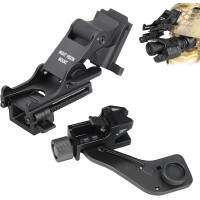
Optics J‑Arm Mount Set, Helmet Adapter for Low‑Light Outdoor Viewing
Premium NVG Helmet Mount Kit – J‑Arm + Rhino‑Style Adapter Engineered for low‑light obs..
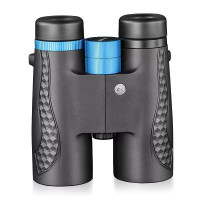
Asika Delta 10x42 Binoculars – Compact & Powerful for Sports, Travel & All Ages
Asika Delta 10x42 – Versatile & Powerful Compact Binoculars for Adults & Kids M..
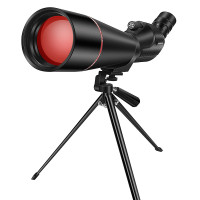
Borwolf 25-75X80 ED Spotting Scope for Birding & Wildlife Observation
BORWOLF 25-75X80 ED Spotting Scope Kit – HD Waterproof Telescope Technical Specifications: ..
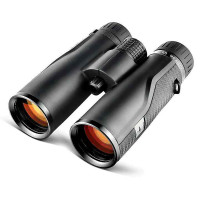
Shuntu PI ED Binoculars 8x42 10x42 10x50 12x50 – Roof Prism for Birding & Wildlife
Shuntu PI ED 8x42/10x42/10x50/12x50 BAK4 Binoculars – Professional HD Outdoor Optics for All Scenari..