
Monocular FAQ
Find clear answers to common monocular questions. Learn about lens coatings, low-light performance, focusing techniques, and proper care for wildlife spotting, terrain observation, and recreational optics.
Refine Search
Best Monoculars for Travel and City Sightseeing: Your Top Questions Answered

- By Mike Moore
- 02/10/2026
- 0 comments
Traveling light doesn't mean you have to leave the details behind. Whether you're exploring a new skyline, admiring historic architecture, or enjoying a harbor cruise, a quality monocular packs all the magnification you need into a pocket-sized package. Below, we answer the most common questions travelers ask before choosing their perfect compact optic. Q1: Why should I choose a monocular instead of binoculars for city travel? A: For urban exploration and travel, a monocular wins on three fronts: size, weight, and convenience. Most travel monoculars weigh under 10 ounces and slip easily into a jacket pocket, small crossbody bag, or even a fanny pack. Unlike binoculars, which require two hands and a bulky case, a monocular lets you keep one hand free for your coffee, phone, or transit map. It's the ideal "grab-and-go" optic for walking tours, sightseeing buses, and spon..
Monocular Frequently Asked Questions: A Simple Guide for Travel, Sightseeing, Birding, Sports, and Everyday Use

- By Telescopehubs Optics
- 20/09/2026
- 0 comments
A monocular is one of the easiest ways to see farther without carrying a bulky pair of binoculars. One tube, one eye, and you get a closer view of landscapes, wildlife, concerts, ballgames, museum details, and more. If you have never owned one, the specs can look confusing. This FAQ covers the questions North American buyers actually ask, with practical recommendations you can use right away. What is a monocular, in plain English? A monocular is a small, handheld optical device that magnifies distant objects for one eye. Think of it as one half of a binocular. You hold it up, focus, and see a magnified image. People choose monoculars because they are light, pocket-friendly, and simple. They are great when you want occasional magnification but do not want to wear or carry two barrels. Monocular vs binoculars: which should I choose? It depends on how you use it. Cho..
Monocular FAQ: Expert Answers for Outdoor Enthusiasts
- By Telescopehubs Optics
- 16/07/2026
- 0 comments
Welcome to our Monocular Resource Center. Whether you are a seasoned hiker, a passionate bird watcher, or simply curious about recreational optics, this guide covers the essentials. From understanding lens coatings to mastering low-light viewing, find clear answers to help you make the most of your wildlife spotting and terrain observation adventures. Optics & Performance Understanding the technical side of your monocular. Q: Why are monocular lenses different colors (Green vs. Purple)? A: The color you see is the result of anti-reflective coatings applied to the glass. High-quality optics often feature Green FMC (Fully Multi-Coated) layers, which offer excellent light transmission and true color restoration—ideal for dusk viewing and wilderness observation. Some models feature Purple Interference Multi-Coating, which provides comparable optical performance with a..
Which Monocular Lens Coating Is Right for You? A Guide to Colors & Performance

- By Telescopehubs Optics
- 16/07/2026
- 0 comments
When shopping for a monocular or binoculars online, you’ve likely noticed that the lenses come in different colors—green, blue, purple, or even amber. For outdoor enthusiasts focused on wildlife spotting, terrain observation, or dusk viewing, understanding these coatings isn't just about aesthetics; it's about optical performance. In this guide, we break down the most common lens coating colors available for recreational optics and explain how to choose the right one for your next adventure. Q: What do the different lens coating colors actually mean? The color you see on a lens is not paint, but the result of microscopic layers of anti-reflective compounds applied to the glass. These layers are designed to reduce glare and maximize light transmission to your eye. Here is what the most common colors signify in the world of outdoor viewing: 1. Green Coating (Mos..
Best Sellers
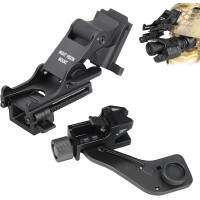
Optics J‑Arm Mount Set, Helmet Adapter for Low‑Light Outdoor Viewing
Premium NVG Helmet Mount Kit – J‑Arm + Rhino‑Style Adapter Engineered for low‑light obs..
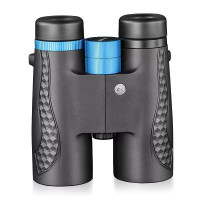
Asika Delta 10x42 Binoculars – Compact & Powerful for Sports, Travel & All Ages
Asika Delta 10x42 – Versatile & Powerful Compact Binoculars for Adults & Kids M..
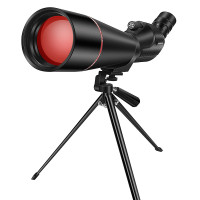
Borwolf 25-75X80 ED Spotting Scope for Birding & Wildlife Observation
BORWOLF 25-75X80 ED Spotting Scope Kit – HD Waterproof Telescope Technical Specifications: ..
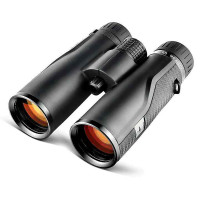
Shuntu PI ED Binoculars 8x42 10x42 10x50 12x50 – Roof Prism for Birding & Wildlife
Shuntu PI ED 8x42/10x42/10x50/12x50 BAK4 Binoculars – Professional HD Outdoor Optics for All Scenari..