
Wildlife Spotting Binoculars & Monoculars: How to Read 10×42, 10×50, 20×50 and Zoom Models
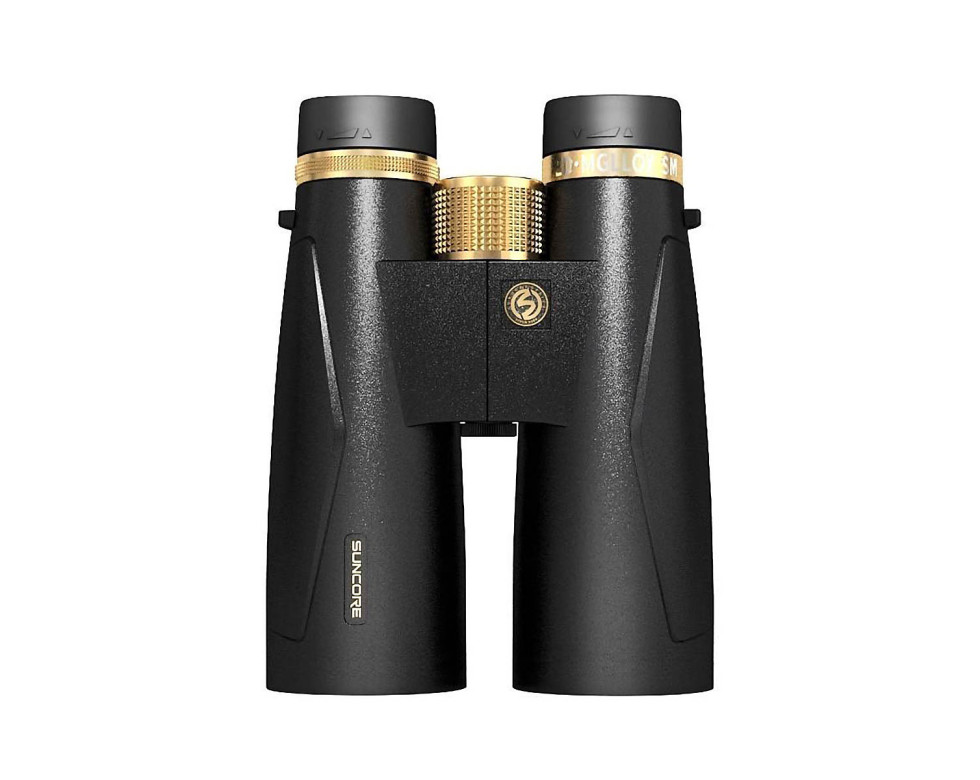
By Telescopehubs Optics - 14/11/2026 - 0 comments
If you have ever stood on a boardwalk at dawn and raised a pair of binoculars only to find the heron already gone, you already know the truth: the “strongest” number on the barrel is not always the most useful one in the field.
This guide is built around the specs people actually ask about — 10×50, 12×50, 15×50, 16×50, 20×50, 10-30×50, 10×42, 12×42, 10-20×50 — and answers it the way you would hear it from someone who has mud on their boots: by habitat, by hand-shake, and by how long you are willing to carry the weight.
Q1. What do the two numbers actually mean?
A spec like 10×50 reads as:
-
10 = magnification. A bird at 100 ft looks roughly like one at 10 ft.
-
50 = objective lens diameter in millimeters. Bigger glass gathers more light.
So 10×42and 10×50 share the same pull-in power, but the 50 mm version breathes better in low light because it collects more photons. The trade-off is size and weight on your neck.
A quick field rule:
Magnification decides how close things feel. Objective size decides how long you can keep looking when the light fades.
Q2. Is higher magnification always better for wildlife?
No — and this is the mistake most first-time buyers make.
When you go from 10× to 20×, every tiny movement of your hands gets multiplied. On a calm day at a window feeder, 20× feels amazing. On a windy ridge with a moving target, 20× handheld can turn into a shaky movie.
General field split:
-
8×–10× → easiest to hold steady, widest feel for tracking movement
-
12× → more detail, still usable handheld if you brace your elbows
-
15×–16× → border zone; fine for short looks, tiring for long sessions
-
20× → really wants a monopod or tripod
-
Zoom (10-20× / 10-30×) → flexible, but expect a narrower image at the top end and some brightness loss
Q3. 10×42 vs 10×50 — which one belongs in my pack?
Pick 10×42 if:
-
You hike ridges and forest trails
-
You want all-day comfort
-
Most of your wildlife is within a few hundred feet
-
You value a wider field for finding movement in brush
Pick 10×50 if:
-
You watch at dawn, dusk, or under deep tree canopy
-
You spend time at marshes, lakeshores, or open meadows
-
You would rather carry extra ounces than lose the image when the sun drops
Think of it as: 10×42 is the trail runner; 10×50 is the golden-hour specialist.
Q4. When does 12×42 or 12×50 make sense?
12×42 is for people who want a little more reach than 10× but refuse to jump to a 50 mm body. It works well for meadow birding, riverbanks, and open woodland where targets perch and hold still.
12×50 is the brighter, heavier cousin. You get:
-
more detail on distant perched birds
-
better low-light comfort
-
a narrower field
-
more arm fatigue after 20 minutes
If your weekends are mostly short walks + long stationary watching, 12×50 earns its weight. If you are moving constantly, 12×42 or 10×42 will feel kinder.
Q5. Are 15×50 and 16×50 too much for handheld use?
They are not “too much” — they are just a different tool.
15×50 and 16×50 shine when:
-
the animal is far and slow
-
you are leaning on a fence, car roof, or trekking pole
-
you mostly observe from a blind, dock, or overlook
They struggle when:
-
the target is flying
-
you are walking and raising the optics repeatedly
-
you expect to scan a whole hillside quickly
At 15×–16×, a monopod changes everything. Suddenly the extra magnification becomes usable instead of exhausting.
Q6. Who should actually buy 20×50?
20×50 is for distance lovers. Think:
-
distant shorebirds across a bay
-
raptors riding thermals over a canyon
-
elk or bighorn on the far side of a valley
-
a fixed observation point where you set up and stay
Handheld 20×50 can work for a quick glance, but for real watching you want support:
-
monopod for mobility
-
tripod for long sessions
-
a spotting-style monocular if you already carry a pack frame
Rule of thumb: buy 20×50 for the place you stand still, not for the trail you walk.
Q7. Monocular or binocular for wildlife spotting?
Use binoculars when:
-
you track movement
-
you scan habitats for long periods
-
you want depth and comfort
-
you are birding, hiking, or walking a river
Use a monocular when:
-
pack weight matters more than stereo vision
-
you already carry a tripod for photography
-
you want one hand free for a notebook or phone
-
you mostly do stationary long-distance viewing
A 20×50 monocular on a monopod is a lean setup for someone who wants “spotting scope reach” without the full spotting-scope kit.
Q8. What about zoom models — 10-20×50 and 10-30×50?
Zoom optics are the Swiss Army knife of the optics world: brilliant because they adapt, annoying because they compromise.
10-20×50 is a good fit if:
-
one person shares the optics between hiking and lakeside sitting
-
you want 10× for the trail and 18–20× when you plant yourself at a viewpoint
-
you accept that the top zoom range needs a steady hand or support
10-30×50 goes further, but be honest with yourself:
-
at 25–30×, handheld use is rough
-
brightness drops compared with a fixed low-power model
-
the field narrows sharply
So a zoom is best described as: one instrument, two personalities. Great for mixed days. Not a replacement for a dedicated 10×42 on a hardcore birding hike.
Q9. How do I match the spec to the habitat?
Forest & riparian trails
10×42 or 12×42
You need width, speed, and light weight. Animals move through gaps; you want to find them fast.
Wetlands, lakes, estuaries
10×50 or 12×50
Distance + low light. Water throws glare early and late; bigger objectives keep the image alive.
Open prairie / desert playas
12×50, 15×50, or 20×50 with support
Targets are far. Flat land rewards magnification if you can steady the view.
Mountain overlooks & ridgelines
16×50 on a monopod, or 20×50 on a tripod
Wind is the enemy. Support gear matters more than the number.
Mixed day hikes + stationary watching
10-20×50 zoom
Trail mode at 10×, viewpoint mode at 18–20×.
Long-range shore / raptor watch
10-30×50 only if you bring a tripod
Otherwise you will zoom in and immediately lose the bird to shake.
Q10. What specs matter beyond the two big numbers?
When two models share “10×50,” the rest decides whether you enjoy using them.
-
Field of view — wider is easier for finding movement
-
Exit pupil — objective ÷ magnification; bigger helps in dim light
-
Eye relief — important if you wear glasses (look for ~15 mm+)
-
Close focus — lets you watch dragonflies, butterflies, or a nest overhead
-
Water resistance / fog-proofing — non-negotiable for wet mornings
-
Coatings — multi-coated glass usually means brighter, higher-contrast images
-
Weight — the best optic is the one you actually carry
Q11. A simple way to choose in 30 seconds
Ask three questions:
-
Am I moving or standing still?
Moving → 10×42/ 12×42
Standing → 10×50 / 12×50 / 15×50+
-
Is low light part of the plan?
Yes → lean 50 mm
Daytime only → 42 mm is fine
-
Can I add a monopod or tripod?
No → stay at or below 12×
Yes → 15×50, 16×50, 20×50 become realistic
Quick reference card
|
Spec |
Best role |
Handheld? |
Carry weight |
|---|---|---|---|
|
all-round trail & birding |
yes |
light |
|
|
12×42 |
extra reach, still mobile |
yes |
light-medium |
|
10×50 |
low-light & wetland |
yes |
medium |
|
detail + dim light |
yes, with bracing |
heavier |
|
|
15×50 |
distant perched wildlife |
short looks / monopod |
heavy |
|
overlook & ridge watching |
monopod recommended |
heavy |
|
|
20×50 |
bays, valleys, thermals |
tripod / monopod |
heavy |
|
10-20×50 |
mixed hiker + sitter |
10–12× handheld |
medium-heavy |
|
long-range stationary |
tripod at high power |
heavy |
Final thought
Do not buy the highest number. Buy the number you can hold steady in the light you actually wake up for.
If you hike dawn trails, a 10×42 will out-watch a 20×50 that lives in your closet. If you sit on a jetty watching distant flocks, a 20×50 on a monopod will show you a world a 10×42 cannot reach.
The right answer is not “the strongest optic.”
The right answer is: the optic that matches the ground you stand on.
Tags: wildlife-spotting, birding-optics, binoculars-guide, monocular-guide, 10x42, 10x50, 12x50, 20x50, zoom-monocular, outdoor-gear, nature-watching
Best Sellers
Optics J‑Arm Mount Set, Helmet Adapter for Low‑Light Outdoor Viewing
Premium NVG Helmet Mount Kit – J‑Arm + Rhino‑Style Adapter Engineered for low‑light obs..
Asika Delta 10x42 Binoculars – Compact & Powerful for Sports, Travel & All Ages
Asika Delta 10x42 – Versatile & Powerful Compact Binoculars for Adults & Kids M..
Borwolf 25-75X80 ED Spotting Scope for Birding & Wildlife Observation
BORWOLF 25-75X80 ED Spotting Scope Kit – HD Waterproof Telescope Technical Specifications: ..
Shuntu PI ED Binoculars 8x42 10x42 10x50 12x50 – Roof Prism for Birding & Wildlife
Shuntu PI ED 8x42/10x42/10x50/12x50 BAK4 Binoculars – Professional HD Outdoor Optics for All Scenari..
Comments
Write a comment