
Blog
Refine Search
Binocular Specs Explained: Low-Light & Stargazing
- By Telescopehubs Optics
- 28/07/2026
- 0 comments
Binocular specifications can feel overwhelming. But if you focus on just a few key numbers, choosing the right pair becomes much easier—especially for low-light and stargazing use. Understanding the “8×42” Format Every binocular is labeled with two numbers: 8× = Magnification (how many times closer) 42mm = Objective lens diameter For low-light and stargazing, both numbers matter—but aperture is king. Exit Pupil: The Hidden Metric Exit pupil = Objective diameter ÷ Magnification. ≥5mm: Excellent for dusk, dawn, and night ≈4mm: Good all-around performance ≤3mm: Best for bright daylight only Example: 10×50 binoculars have a 5mm exit pupil—ideal for low-light viewing. Coatings Matter More Than You Think Look for: FMC (Fully Multi-Coated): Maximum light transmission BAK4 prisms: Round exit pupils, sharper edges Phase-corrected c..
Binoculars vs. Spotting Scopes vs. Low-Light Optics
- By Telescopehubs Optics
- 28/07/2026
- 0 comments
Choosing between binoculars, spotting scopes, and low-light instruments comes down to one question: What do you want to observe, when, and how far away is it? Binoculars: Versatility First Binoculars are the most popular recreational optics for good reason. They’re lightweight, easy to carry, and provide excellent depth perception. Best for: Birding and wildlife spotting Hiking and trail navigation Stargazing (wide-field views) Sporting events and concerts Low-light strength: Large-aperture models (42mm–56mm) perform well at dusk and under moonlight. Spotting Scopes: Maximum Detail Spotting scopes use higher magnification and are almost always mounted on a tripod. They sacrifice portability for clarity at long distances. Best for: Distant terrain observation Extended wildlife viewing sessions Digiscoping (photography through the e..
What “Night Vision Binoculars” Really Means (And Why It’s Misleading)
- By Telescopehubs Optics
- 28/07/2026
- 0 comments
If you browse outdoor retailers, you’ll see countless listings for “night vision binoculars.” The phrase sounds impressive—but in recreational optics, it’s often misleading. Three Very Different Products 1. Large-Aperture Low-Light Binoculars These use big objective lenses (50mm–70mm) and premium coatings to gather every bit of available light. They perform beautifully at dusk, dawn, and under a bright moon—but they cannot function in total darkness. 2. Electronic Low-Light Devices Some specialty devices amplify faint infrared energy. While effective in near-darkness, these are purpose-built instruments with limited color reproduction and higher price points. 3. Standard Binoculars with an LED Light This is the most common “gimmick.” A small LED is attached to a basic binocular. It creates a harsh, flat beam that rarely improves distance viewing and often ruins natur..
Do Binoculars Work at Night? (Low-Light Viewing Explained)
- By Telescopehubs Optics
- 28/07/2026
- 0 comments
(8 min read · Recreational Optics · Low-Light Performance) If you’ve ever planned a late-evening hike, a dusk wildlife outing, or a night under the stars, you’ve probably asked: “Will my binoculars actually work once the sun goes down?” The short answer: yes—but only when there’s still some light to collect. How Binoculars Actually Work Binoculars are passive optical instruments. They gather available light through the objective lenses and focus it into your eyes. They do not generate light, nor do they enhance invisible wavelengths. This means: ✅ Moonlight, starlight, and twilight are usable ✅ Distant cabins, trail markers, or campsites with lighting are visible ❌ Total darkness—such as dense forest at midnight—will appear black What “Night Use” Really Means In recreational optics, “night use” almost always refers to low-light viewing: dusk, dawn, or ..
What Is the Diopter Adjustment Knob on Binoculars? (And Why You Absolutely Need It)
- By Telescopehubs Optics
- 24/07/2026
- 0 comments
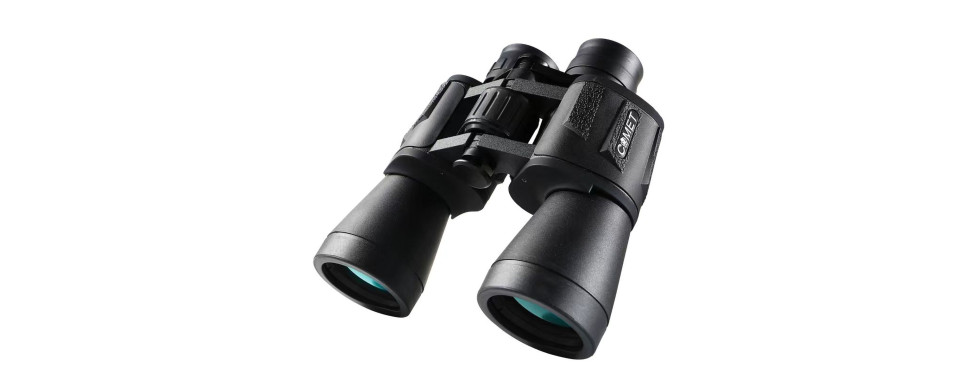
If you’ve ever looked through a pair of binoculars and thought, “Why does my left eye look sharp but my right eye looks blurry?”—you’re not alone. The answer almost always lies in a small, often overlooked feature: the diopter adjustment knob. In this quick Q&A, we’ll break down exactly what the diopter does, how to set it up correctly, and why skipping this step can ruin your viewing experience. Q: What exactly is the diopter adjustment knob? A: The diopter adjustment is a small dial or ring (usually marked with + / – signs and the word Diopter) located on the right eyepiece or sometimes near the center hinge of a binocular. Its job is to compensate for the difference in prescription between your two eyes. While the main center focus wheel moves both barrels at the same time, the diopter knob independently fine-tunes the focus of one eyepiece—typically the right one...
Monocular FAQ: Expert Answers for Outdoor Enthusiasts
- By Telescopehubs Optics
- 16/07/2026
- 0 comments
Welcome to our Monocular Resource Center. Whether you are a seasoned hiker, a passionate bird watcher, or simply curious about recreational optics, this guide covers the essentials. From understanding lens coatings to mastering low-light viewing, find clear answers to help you make the most of your wildlife spotting and terrain observation adventures. Optics & Performance Understanding the technical side of your monocular. Q: Why are monocular lenses different colors (Green vs. Purple)? A: The color you see is the result of anti-reflective coatings applied to the glass. High-quality optics often feature Green FMC (Fully Multi-Coated) layers, which offer excellent light transmission and true color restoration—ideal for dusk viewing and wilderness observation. Some models feature Purple Interference Multi-Coating, which provides comparable optical performance with a..
Which Monocular Lens Coating Is Right for You? A Guide to Colors & Performance

- By Telescopehubs Optics
- 16/07/2026
- 0 comments
When shopping for a monocular or binoculars online, you’ve likely noticed that the lenses come in different colors—green, blue, purple, or even amber. For outdoor enthusiasts focused on wildlife spotting, terrain observation, or dusk viewing, understanding these coatings isn't just about aesthetics; it's about optical performance. In this guide, we break down the most common lens coating colors available for recreational optics and explain how to choose the right one for your next adventure. Q: What do the different lens coating colors actually mean? The color you see on a lens is not paint, but the result of microscopic layers of anti-reflective compounds applied to the glass. These layers are designed to reduce glare and maximize light transmission to your eye. Here is what the most common colors signify in the world of outdoor viewing: 1. Green Coating (Mos..
Binocular Basics – Understanding BAK4 vs. BK7 Prisms
- By Telescopehubs Optics
- 12/07/2026
- 1 comments
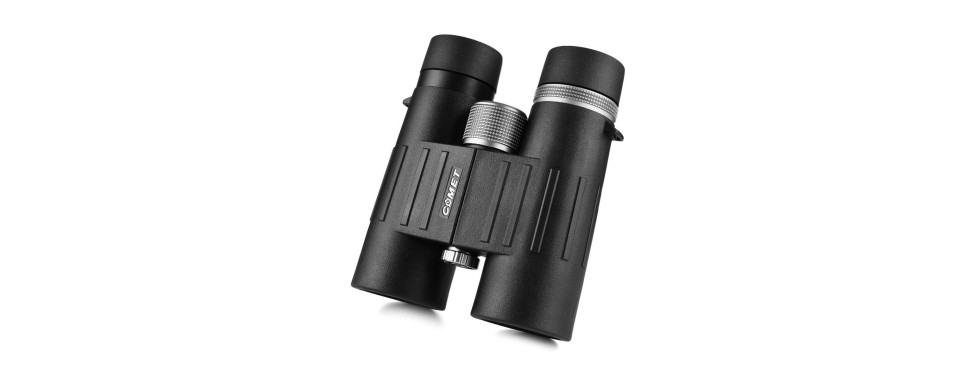
BAK4 and BK7 are industry codes for two different types of optical glass used in prisms. The key difference lies in their refractive index. BAK4 glass has a higher refractive index, allowing it to reflect 100% of the incoming light (excluding absorption losses). In contrast, BK7 reflects only about 83%. This makes BAK4 significantly more efficient in light transmission, though it comes at a higher cost. For this reason, BAK4 prisms are typically found in premium consumer optics and high-end spotting scopes. Some enthusiasts often ask about the difference between Bak4 and BK7 prism materials. While it sounds simple, explaining it thoroughly requires a bit of depth. To keep things clear and manageable, this article will focus specifically on Porro prism binoculars. Before diving into the comparison, let’s address why bino..
What Does "FMC" (Fully Multi-Coated) Mean on Binoculars?

- By Telescopehubs Optics
- 04/07/2026
- 1 comments
Q: What is FMC or "Fully Multi-Coated" on a pair of binoculars? A: FMC stands for Fully Multi-Coated—it means everyair-to-glass surface inside the binoculars (objective lenses, eyepieces, and prism faces) has been treated with multiple layers of anti-reflective coating, not just one surface or one thin layer. The result? More light gets through to your eyes instead of bouncing off the glass. You get a brighter image, sharper contrast, truer colors, and noticeably less glare—especially important at dawn, dusk, or in heavy shade. That's why serious birders, hikers, and hunters look for "Fully Multi-Coated (FMC)" optics, not just "coated" or "multi-coated." Quick comparison: Coated / Fully Coated (FC): Single anti-reflective layer → basic brightness improvement Multi-Coated (MC): Multiple layers, but only on somesurfaces → better, but inconsistent ✅ Fu..
Porro Prism vs. Roof Prism: Which is Better for Bird Watching?
- By Telescopehubs Optics
- 29/06/2026
- 0 comments
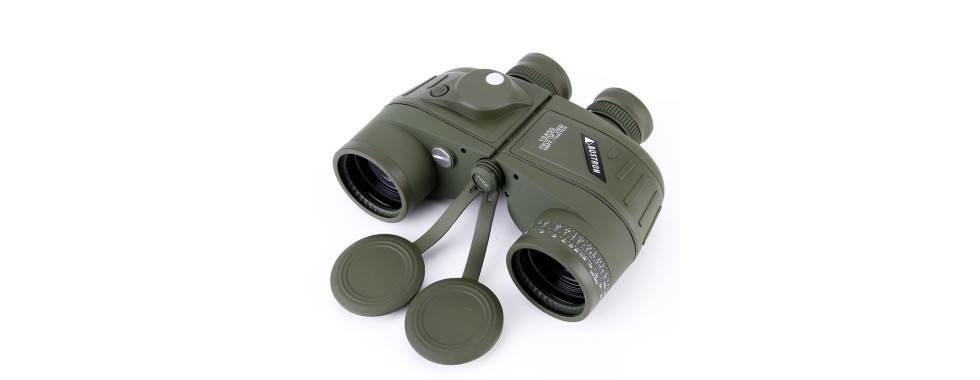
Q: I’m getting serious about birding and need a new pair of binoculars. Should I go with Porro Prism or Roof Prism? A: If you are planning to do any serious birding, Roof Prism binoculars are overwhelmingly the best choice. In fact, if you look at what experienced birders are using on the trails, you’ll notice that rugged, compact roof prism models dominate the field. Here is why they are the gold standard for bird watching: First, there is the ergonomics. Birding often involves a lot of walking through dense woods or standing still for long periods waiting for a rare species to appear. Roof prism binoculars are significantly lighter and more compact than their Porro counterparts. They balance perfectly in your hands, reducing arm fatigue so you can stay focused on the canopy longer. Second, weather sealing. Nature is unpredictable. Roof prism designs feature a streamlined int..
Porro vs. Roof Prism Binoculars: Can You Spot the Difference at a Glance?

- By Telescopehubs Optics
- 29/06/2026
- 1 comments
Q: I’m shopping for new binoculars, but I keep seeing "Roof Prism" and "Porro Prism." Is there an easy way to tell them apart just by looking at them? A: Absolutely! You don’t need to be an optics expert to spot the difference—just look at the shape of the barrels. Think of Roof Prism binoculars as the "straight-barrel" design. The eyepieces and the front objective lenses sit in a perfectly straight line, giving the binoculars a sleek, modern, and compact "H" shape. If you are looking for something that slips easily into a daypack or a larger jacket pocket, this is usually what you’ll gravitate toward. On the other hand, Porro Prism binoculars have a distinctive "Z" or zig-zag shape. The objective lenses at the front are spaced much wider apart than the eyepieces. This classic, old-school design makes them look a bit bulkier, but it also gives them a certain nostalg..
How can I check my order status?

- By Telescopehubs Optics
- 27/06/2026
- 0 comments
If you've already placed an order but can't find it in your account, here are two common reasons: 1. You checked out as a Guest If you didn't create an account during checkout, your order isn't linked to any profile. Because of this, it won't appear in any order history list. We will need to look up your order manually from our backend. 2. You are a Registered User but can't see the order Sometimes, if an order status changes, it might temporarily not display in your My Account > Order History. Please reach out to us, and we can update the status so it shows up correctly for you. Need help? Contact us! To request an order lookup, please email us at service@telescopehubs.com or use the Contact Form on our Contact Us page. Please include as much info as possible to help us find your order faster: Your account email (if registered) Full Name & ..
Best Sellers
Optics J‑Arm Mount Set, Helmet Adapter for Low‑Light Outdoor Viewing
Premium NVG Helmet Mount Kit – J‑Arm + Rhino‑Style Adapter Engineered for low‑light obs..
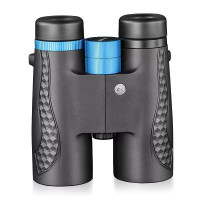
Asika Delta 10x42 Binoculars – Compact & Powerful for Sports, Travel & All Ages
Asika Delta 10x42 – Versatile & Powerful Compact Binoculars for Adults & Kids M..
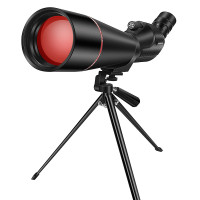
Borwolf 25-75X80 ED Spotting Scope for Birding & Wildlife Observation
BORWOLF 25-75X80 ED Spotting Scope Kit – HD Waterproof Telescope Technical Specifications: ..
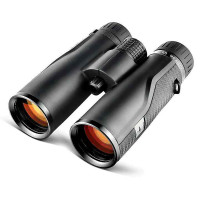
Shuntu PI ED Binoculars 8x42 10x42 10x50 12x50 – Roof Prism for Birding & Wildlife
Shuntu PI ED 8x42/10x42/10x50/12x50 BAK4 Binoculars – Professional HD Outdoor Optics for All Scenari..