
Blog
Refine Search
Telescope Care & Maintenance Guide
- By Telescopehubs Optics
- 29/09/2026
- 0 comments
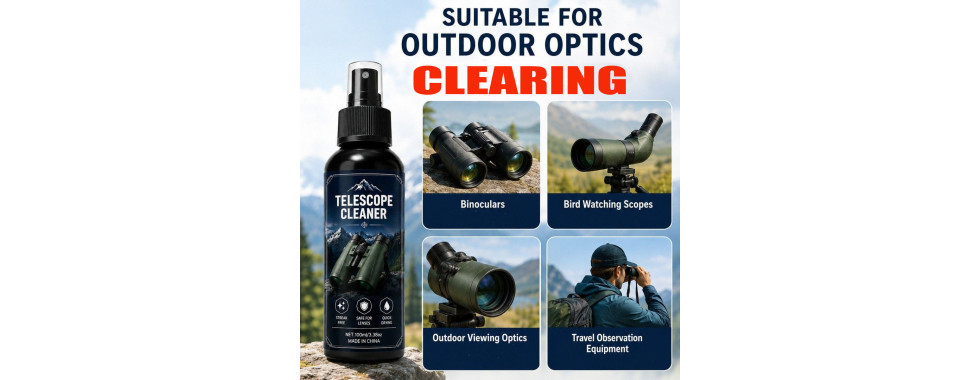
Telescope Care & Maintenance Guide Storage Always store your telescope (Binoculars/Monocular) in a clean, dry, and well-ventilated area to prevent mold growth. For added protection, place silica gel packs nearby and replace them regularly. Lens Cleaning To remove smudges or dirt from lenses, gently wipe with a microfiber cloth. For deeper cleaning, lightly dampen a lint-free cotton pad with isopropyl alcohol. Wipe from the center outward in a spiral motion, using fresh pads until the lens is clean. Avoid excessive pressure or circular scrubbing. Handling Telescopes are precision instruments. Avoid dropping, crushing, or subjecting them to sudden impacts. Handle with care to maintain alignment and optical performance. No DIY Repairs Do not attempt to disassemble the telescope or clean internal components. Unauthorized tampering may void warrant..
Monocular Frequently Asked Questions: A Simple Guide for Travel, Sightseeing, Birding, Sports, and Everyday Use

- By Telescopehubs Optics
- 20/09/2026
- 0 comments
A monocular is one of the easiest ways to see farther without carrying a bulky pair of binoculars. One tube, one eye, and you get a closer view of landscapes, wildlife, concerts, ballgames, museum details, and more. If you have never owned one, the specs can look confusing. This FAQ covers the questions North American buyers actually ask, with practical recommendations you can use right away. What is a monocular, in plain English? A monocular is a small, handheld optical device that magnifies distant objects for one eye. Think of it as one half of a binocular. You hold it up, focus, and see a magnified image. People choose monoculars because they are light, pocket-friendly, and simple. They are great when you want occasional magnification but do not want to wear or carry two barrels. Monocular vs binoculars: which should I choose? It depends on how you use it. Cho..
Binoculars Buying Guide: Expert Tips for Choosing the Right Optics
- By Telescopehubs Optics
- 02/09/2026
- 0 comments
Choosing the right binoculars can feel overwhelming with so many specifications and options available. Whether you're into wildlife spotting, outdoor terrain observation, or recreational viewing, understanding the optics is key. Here are 8 essential tips to help you make an informed decision and get the best value for your needs. 1. Optical Quality vs. Portability There's often a trade-off between excellent optical performance and a compact, lightweight design. If you want both in one package, be prepared to increase your budget significantly. 2. No "One-Size-Fits-All" Model Every specification and type of binocular has its ideal environment to achieve perfect results. There is no single pair that excels in every scenario, so choose based on your primary activity. 3. Roof Prism vs. Porro Prism Roof prism binoculars are the most compact in their class, making them easy t..
The Evolution of Telescopes: A Journey Through Optical Innovation
- By Telescopehubs Optics
- 02/09/2026
- 0 comments
For centuries, the telescope has expanded our ability to explore the cosmos. From its humble beginnings as a simple lens combination to today's massive ground-based observatories, the evolution of optical observation tools has revolutionized stargazing, astronomy, and even terrestrial viewing. Let's take a journey through telescope history and discover how these recreational optics transformed our view of the universe. 1608: The First Practical Telescope In 1608, Dutch eyeglass maker Hans Lippershey crafted the first recorded telescope. The story goes that two children were playing with lenses in his shop, holding them up to view a distant weather vane on a church. They were amazed at how large it appeared. Lippershey took the two lenses, mounted them in a tube, and after several experiments, invented the telescope. He applied for a patent that year and, at the request of authoriti..
How to Start Birdwatching: A Beginner's Guide to Wildlife Spotting
- By Telescopehubs Optics
- 25/08/2026
- 0 comments
Birdwatching is one of the fastest-growing outdoor hobbies in North America—and for good reason. Whether you're gazing out your kitchen window or hiking through a nature reserve, tuning in to the feathered world around you is deeply rewarding. But here's a secret: you don't need to be an expert or own expensive gear to get started. All you need is curiosity, a bit of patience, and a decent pair of binoculars. Location, time of day, weather, and season all influence which species you'll encounter. This guide will walk you through everything you need to know to begin your birdwatching journey with confidence. 1. Know Your Local Residents Start close to home. Every region has its own cast of year-round residents—birds that stick around no matter the season. Learning to identify these regulars by sight and sound is your foundation. Pay attention to: Silhouette & ma..
Binoculars: A Comprehensive Guide

- By Telescopehubs Optics
- 25/08/2026
- 0 comments
🔭 The Ultimate Binoculars Guide: Decoding Specs to Skygazing Whether you're looking to capture the electrifying moments of a live concert, planning a spontaneous trip, or yearning to gaze at the star-studded night sky, a good pair of binoculars can open up a whole new world for you. However, the dizzying array of specifications and optical designs on the market can be overwhelming. Don't worry—this ultimate buying guide will help you navigate through the jargon and find your perfect "eagle eyes." 💡 What Are Binoculars? Simply put, binoculars are optical instruments consisting of two identical or symmetrical telescopes mounted side by side. By utilizing both eyes simultaneously, they provide an immersive three-dimensional view and an excellent sense of depth. With these advantages, they have become an indispensable companion for birdwatching, traveling, sports events, concerts, a..
Binoculars vs. Monocular – What's the Difference?
- By Telescopehubs Optics
- 13/08/2026
- 0 comments
✅ Advantages of Binoculars Two-eye viewing delivers stronger depth perception and a more three-dimensional image. Wider field of view makes it easier to locate and track wildlife, birds, and distant scenery. More comfortable for extended observation — reduces eye fatigue during long hours outdoors. ✅ Advantages of Monoculars Smaller and lighter — highly compact and easy to carry in a pocket or small pack. Usually more affordable — great for casual or secondary use. Ideal for high-magnification models where extreme portability is the priority. 🎯 Which Should You Choose? For everyday outdoor activities, bird watching, nature observation, hiking, and travel, binoculars are the more practical choice. If you need ultra-compact portability, single-hand operation, or specialized high-magnification observation, a monocu..
Binocular Parallax Ranging Telescope: Principle, Performance, Technology & Applications
- By Telescopehubs Optics
- 10/08/2026
- 0 comments
Among mainstream consumer optical devices, binocular telescopes rank as one of the most popular options after cameras, widely favored for daily and professional observation activities. Unlike monocular telescopes that only provide flat imaging, binocular telescopes deliver authentic stereoscopic depth vision, bringing immersive viewing experiences for sports events, outdoor performances, landscape observation and more. Equipped with optimized optical structures and professional parallax ranging technology, modern binocular observation devices break the limits of traditional optical tools, realizing long-distance, high-precision passive measurement without auxiliary signal emission, becoming a core device for high-standard optical observation and ranging work. 1. Working Principle of Binocular Parallax Ranging Telescope Traditional binocular telescopes adopt convex lenses ..
Binoculars: Ultimate Guide to Optical Performance & Everyday Outdoor Use
- By Telescopehubs Optics
- 10/08/2026
- 0 comments
For outdoor enthusiasts, casual observers, and event lovers across North America, binoculars stand as one of the most practical, versatile optical tools for everyday exploration. Also known as field glasses, premium binoculars feature two parallel optical tubes that deliver immersive stereoscopic viewing, allowing users to enjoy crisp, depth-rich visuals by simply adjusting the interpupillary distance between the two eyepieces for a customized, comfortable fit. Most modern consumer binoculars available on the North American market adopt advanced prism optical systems, upgraded from classic Kepler optical structures. Equipped with full-reflection prisms, these devices effectively shorten the overall tube length, correct inverted images, and deliver bright, upright, high-definition views—far more portable and user-friendly than traditional long-tube optical devices. This optimized desig..
Stargazing Binoculars Buying Guide
- By Telescopehubs Optics
- 28/07/2026
- 0 comments
Binoculars are the most underrated astronomy tool available. Before investing in a telescope that requires setup, alignment, and patience, consider this: a quality pair of binoculars will reveal the craters of the Moon, the brightest moons of Jupiter, star clusters, nebulae, and thousands of stars invisible to the naked eye. This guide—written for beginners and experienced outdoor viewers—covers everything you need to choose the right binoculars for stargazing, plus a curated selection of models for every budget. 1. Why Binoculars Beat Telescopes for Starting Out Everyone assumes they need a telescope. Here’s why binoculars are actually better for the first year of astronomy: Wider field of view: Telescopes zoom tight; binoculars show entire constellations, making targets easy to find. Both eyes open: You retain depth perception and natural color. The Milky W..
Is “24-Hour Vision” on Binoculars Real?
- By Telescopehubs Optics
- 28/07/2026
- 0 comments
You’ll often see binoculars advertised as offering “24-hour vision,” “day/night performance,” or “all-day clarity.” These phrases sound impressive—but what do they actually mean? The Reality Behind the Claim Most “24-hour” binoculars are simply well-engineered low-light optics. They perform admirably in: Broad daylight Overcast conditions Twilight and dusk Bright moonlight They do not allow you to see in total darkness. No consumer binocular can do that without additional illumination technology. Why the Marketing Exists The term “24-hour vision” is legal marketing language. It communicates versatility rather than true darkness capability. Unfortunately, many shoppers interpret it literally. How to Read Between the Lines “24-hour vision” → Excellent all-light performance, including low light “Low-light optimized” → Designed for dusk/dawn ..
Infrared vs. Thermal vs. Low-Light Binoculars
- By Telescopehubs Optics
- 28/07/2026
- 0 comments
Three terms dominate low-light discussions: infrared, thermal, and Low-Light Binoculars. They sound similar but describe completely different technologies. Low-Light Binoculars (Standard Binoculars) These are traditional binoculars and monoculars that collect visible light. Their performance depends entirely on ambient illumination—moonlight, starlight, or artificial lighting. Best for: Dusk and dawn wildlife spotting Stargazing Evening hikes and camping Limitations: Cannot function in total darkness. Infrared-Assisted Viewing Some specialty devices use infrared LEDs to illuminate a scene invisibly. The sensor captures reflected infrared light. Best for: Short-range observation Situations where minimal illumination is acceptable Limitations: Range is limited; image quality varies; not true thermal detection. Thermal Imaging Th..
Best Sellers
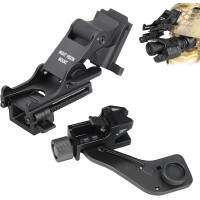
Optics J‑Arm Mount Set, Helmet Adapter for Low‑Light Outdoor Viewing
Premium NVG Helmet Mount Kit – J‑Arm + Rhino‑Style Adapter Engineered for low‑light obs..
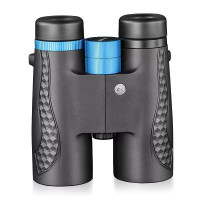
Asika Delta 10x42 Binoculars – Compact & Powerful for Sports, Travel & All Ages
Asika Delta 10x42 – Versatile & Powerful Compact Binoculars for Adults & Kids M..
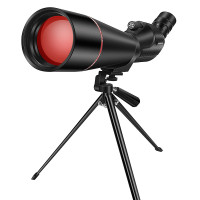
Borwolf 25-75X80 ED Spotting Scope for Birding & Wildlife Observation
BORWOLF 25-75X80 ED Spotting Scope Kit – HD Waterproof Telescope Technical Specifications: ..
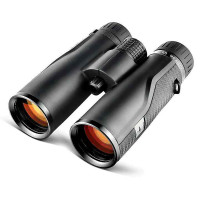
Shuntu PI ED Binoculars 8x42 10x42 10x50 12x50 – Roof Prism for Birding & Wildlife
Shuntu PI ED 8x42/10x42/10x50/12x50 BAK4 Binoculars – Professional HD Outdoor Optics for All Scenari..