
Blog
Refine Search
What Does "FMC" (Fully Multi-Coated) Mean on Binoculars?

- By Telescopehubs Optics
- 04/07/2026
- 1 comments
Q: What is FMC or "Fully Multi-Coated" on a pair of binoculars? A: FMC stands for Fully Multi-Coated—it means everyair-to-glass surface inside the binoculars (objective lenses, eyepieces, and prism faces) has been treated with multiple layers of anti-reflective coating, not just one surface or one thin layer. The result? More light gets through to your eyes instead of bouncing off the glass. You get a brighter image, sharper contrast, truer colors, and noticeably less glare—especially important at dawn, dusk, or in heavy shade. That's why serious birders, hikers, and hunters look for "Fully Multi-Coated (FMC)" optics, not just "coated" or "multi-coated." Quick comparison: Coated / Fully Coated (FC): Single anti-reflective layer → basic brightness improvement Multi-Coated (MC): Multiple layers, but only on somesurfaces → better, but inconsistent ✅ Fu..
Porro Prism vs. Roof Prism: Which is Better for Bird Watching?
- By Telescopehubs Optics
- 29/06/2026
- 0 comments
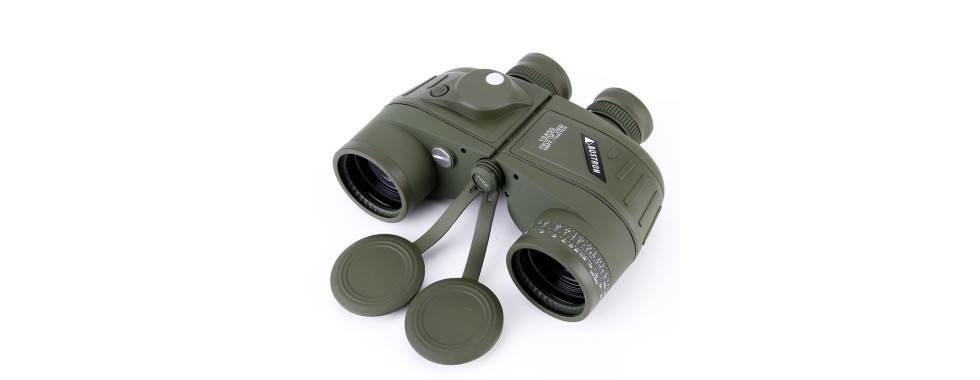
Q: I’m getting serious about birding and need a new pair of binoculars. Should I go with Porro Prism or Roof Prism? A: If you are planning to do any serious birding, Roof Prism binoculars are overwhelmingly the best choice. In fact, if you look at what experienced birders are using on the trails, you’ll notice that rugged, compact roof prism models dominate the field. Here is why they are the gold standard for bird watching: First, there is the ergonomics. Birding often involves a lot of walking through dense woods or standing still for long periods waiting for a rare species to appear. Roof prism binoculars are significantly lighter and more compact than their Porro counterparts. They balance perfectly in your hands, reducing arm fatigue so you can stay focused on the canopy longer. Second, weather sealing. Nature is unpredictable. Roof prism designs feature a streamlined int..
Porro vs. Roof Prism Binoculars: Can You Spot the Difference at a Glance?

- By Telescopehubs Optics
- 29/06/2026
- 1 comments
Q: I’m shopping for new binoculars, but I keep seeing "Roof Prism" and "Porro Prism." Is there an easy way to tell them apart just by looking at them? A: Absolutely! You don’t need to be an optics expert to spot the difference—just look at the shape of the barrels. Think of Roof Prism binoculars as the "straight-barrel" design. The eyepieces and the front objective lenses sit in a perfectly straight line, giving the binoculars a sleek, modern, and compact "H" shape. If you are looking for something that slips easily into a daypack or a larger jacket pocket, this is usually what you’ll gravitate toward. On the other hand, Porro Prism binoculars have a distinctive "Z" or zig-zag shape. The objective lenses at the front are spaced much wider apart than the eyepieces. This classic, old-school design makes them look a bit bulkier, but it also gives them a certain nostalg..
How can I check my order status?

- By Telescopehubs Optics
- 27/06/2026
- 0 comments
If you've already placed an order but can't find it in your account, here are two common reasons: 1. You checked out as a Guest If you didn't create an account during checkout, your order isn't linked to any profile. Because of this, it won't appear in any order history list. We will need to look up your order manually from our backend. 2. You are a Registered User but can't see the order Sometimes, if an order status changes, it might temporarily not display in your My Account > Order History. Please reach out to us, and we can update the status so it shows up correctly for you. Need help? Contact us! To request an order lookup, please email us at service@telescopehubs.com or use the Contact Form on our Contact Us page. Please include as much info as possible to help us find your order faster: Your account email (if registered) Full Name & ..
User Guide for Zoom Binoculars: Standard Operating Procedure

- By Telescopehubs Optics
- 22/06/2026
- 0 comments
The core operating logic of zoom binoculars is "focus first, zoom later"—meaning you should always calibrate the lenses for your eyes at the lowest magnification before switching to higher power. Here is the standard procedure: 1. Basic Physical Adjustments Adjusting Interpupillary Distance (IPD): Hold the binoculars with both hands and pivot the two barrels until the left and right fields of view merge into a single, perfect circle, eliminating any double vision. Setting the Eyecups: If you wear glasses: Twist down or fold flat the eyecups. If you do not wear glasses: Twist up or extend the eyecups so your eyes rest comfortably against the edges, blocking out stray ambient light. Diopter Calibration (Crucial Step): Move the zoom lever/ring to the lowest magnification (e.g., 8×). Close your right ey..
What Are the Best Uses for Maifeng 12x50 Roof Prism Binoculars?
- By Telescopehubs Optics
- 20/06/2026
- 0 comments
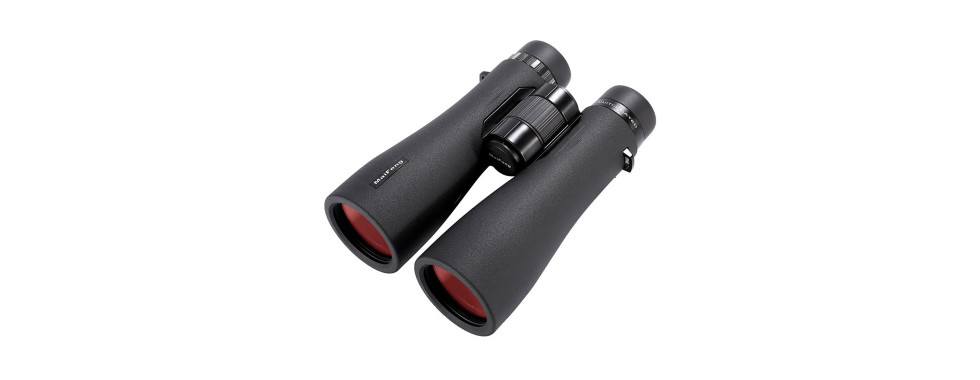
Maifeng 12x50 Roof Prism Binoculars – BAK4 5-Layer Coating Q: What kind of people is this optic best for? A: If you love spending time outdoors—whether it’s hiking in the Rockies, camping by a lake, or exploring coastal shores—this optic is built for you. It’s perfect for hobbyists, adventurers, educators, and anyone who enjoys observing nature up close. Q: Can I use it for birdwatching and wildlife observation? A: Absolutely! With crisp magnification and clear optics, it’s a great choice for spotting birds in their natural habitat or quietly watching wildlife without disturbing them. Q: Is it good for travel and sightseeing? A: Yes—it’s lightweight and easy to carry, making it ideal for road trips, national park visits, and even city sightseeing. You can bring it along on hikes or keep it in your car for spontaneous scenic stops. Q: Will it work at conc..
FAQ

- By Telescopehubs Optics
- 15/06/2026
- 0 comments
Welcome to our FAQ section for binoculars and low-light viewing . Browse common questions about product features, operation, care and buying advice. Get professional tips to choose ideal optical tools for outdoor activities and daily observation. ·What do the numbers mean in binocular specifications, such as 10x50 or 8x42? The first number represents the magnification power, indicating how much larger an object will appear compared to the naked eye.The second number refers to the diameter of the objective lenses in millimeters, which affects light gathering capabilities. ·How do I choose the right binoculars for my needs? Consider factors like your intended use (birdwatching, stargazing, sports), desired magnification power, and comfort level.Research different models, their specifications (magnification, objective lens size), and read revie..
Best Sellers
Optics J‑Arm Mount Set, Helmet Adapter for Low‑Light Outdoor Viewing
Premium NVG Helmet Mount Kit – J‑Arm + Rhino‑Style Adapter Engineered for low‑light obs..
Asika Delta 10x42 Binoculars – Compact & Powerful for Sports, Travel & All Ages
Asika Delta 10x42 – Versatile & Powerful Compact Binoculars for Adults & Kids M..
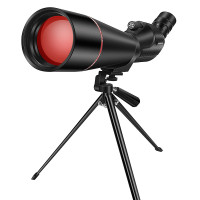
Borwolf 25-75X80 ED Spotting Scope for Birding & Wildlife Observation
BORWOLF 25-75X80 ED Spotting Scope Kit – HD Waterproof Telescope Technical Specifications: ..
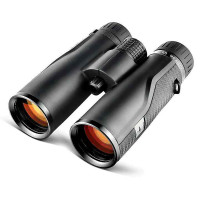
Shuntu PI ED Binoculars 8x42 10x42 10x50 12x50 – Roof Prism for Birding & Wildlife
Shuntu PI ED 8x42/10x42/10x50/12x50 BAK4 Binoculars – Professional HD Outdoor Optics for All Scenari..